

Aviator tracks a rising plane, quick multiplier shifts plus cashout pressure in a compact crash game. This article is written for arcade crash game players, to help them understand flight rhythm, aimed at building steadier cashout judgment. Study each round with Happybingo, then enter with calm timing today.
Basic rules of Aviator
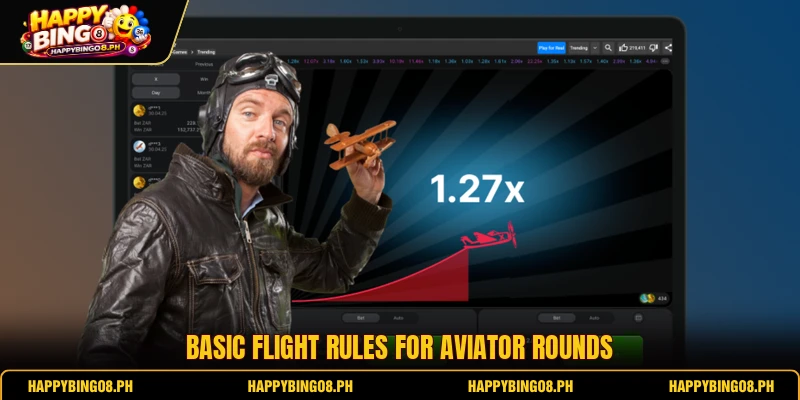
Each round starts with a small plane leaving the runway while the multiplier begins from the lowest point. The value rises as long as the flight remains active, so timing becomes the main source of pressure. A player must lock the return before the plane leaves the screen completely.
Round flow stays simple, yet the risk curve changes quickly after the first seconds. Early cashout protects a modest result, while longer waiting can expose the stake to a sudden flight stop. In Aviator, the main rule is reading pace without assuming that a longer climb must continue.
Stake placement usually occurs before the round begins, then the screen moves into flight mode. Some tables allow two separate entries, which can support different cashout ideas within the same round. This setup helps separate cautious timing from higher multiplier attempts without mixing both decisions into one action.
Main features of Aviator
Feature value comes from clear movement, fast feedback, plus a layout that avoids heavy distraction. Happybingo presents the round through simple visual cues, so the plane path remains easy to follow. Each feature supports better timing because the game depends on quick reading rather than complicated menus.
- Multiplier display: The rising number stays central during each flight, giving players a direct reference for pressure, pace, plus possible exit timing.
- Cashout control: A visible cashout button helps lock the current value before the plane exits, making reaction speed part of round management.
- Round history: Recent results can show short patterns, although Aviator still needs cautious reading because past flights never promise the next outcome.
- Dual entry option: Two separate stakes can support split timing, allowing one safer exit while another position waits for a higher multiplier.
- Fast restart rhythm: Short intervals between flights keep the format compact, so attention must reset quickly after every finished round.

Cashout strategies for Aviator
Profit lock decisions need a calm pace because sudden exits often punish emotional timing. A clear plan helps each round feel measured, even when the multiplier climbs fast.
Safe stake spreading in Aviator
Safe spreading begins with a fixed amount that does not change after one strong or weak round. This keeps the session rhythm steady because sudden stake jumps can distort later decisions. A smaller base entry also leaves space for review after several short flights without forcing rushed recovery.
Balanced spreading can pair one low cashout target with another slower attempt during the same flight. In Aviator, this split can reduce pressure because one position may close early before the second waits. The approach still needs discipline since both entries can fail when the plane exits too soon.
Loss control matters more than chasing a missed multiplier after a sharp departure. A measured pause can reset attention, especially when several rounds end before meaningful growth appears. Stake spreading should protect decision quality first, because unstable sizing often turns simple timing into noisy guesswork.
View more: Mines – Sharp Grid Play With Clean Bomb Logic Today
Chart observation skills
Chart reading starts with separating useful rhythm from visual excitement during a fast climb. The recent history panel may show whether many flights ended early, yet it cannot predict a guaranteed result. Observing the screen means tracking behavior calmly without treating any streak as a fixed rule.
Short sequences can still offer context when the same low exits appear several times. Happybingo players may review these moments to slow down rather than increase pressure immediately. For Aviator, the chart works best as a reference for patience, not as proof of the next flight path.
Good observation also includes the moment before takeoff because hesitation can weaken planned cashout timing. A clear target should exist before the plane rises, so chart notes do not interrupt action. This habit keeps attention on the current round while older results stay in a supporting role.
Choosing automatic multiplier points
Automatic cashout points help remove delay when the screen moves faster than expected. A modest target can suit steady sessions because it closes the round before pressure grows too heavy. Higher settings need more caution since the plane can disappear before reaching the planned multiplier.
Choosing a fixed point works best when it matches the stake size plus session length. A player using small entries may tolerate longer waits, while larger positions often need earlier exits. The key is keeping the automatic setting consistent enough to prevent random changes after one surprising result.
Several rounds can be reviewed before changing the chosen number because impulse edits often create confusion. In Aviator, a stable auto point can turn each flight into a cleaner timing test. The setting should support judgment rather than replace attention, since every round still carries sudden exit risk.
Recognizing plane behavior signs
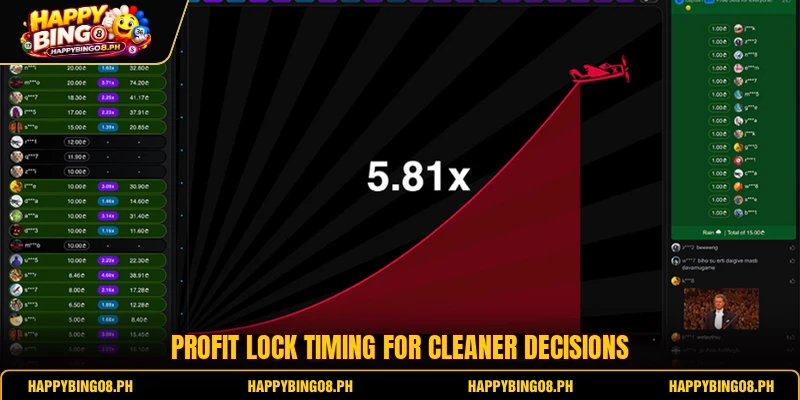
Plane behavior signs often appear through speed feel, screen tension, plus the way the multiplier climbs. These signals can guide attention, but they should never be treated as certain evidence. A smooth rise may end suddenly, while a slow start can still continue longer than expected.
Early exits teach the need for modest expectations during unstable stretches. When several flights stop quickly, calm timing becomes more useful than guessing a dramatic rebound. The safer response is reducing emotional pressure, then waiting for a round that fits the prepared plan.
Long climbs create another challenge because confidence can rise faster than the multiplier itself. A clear cashout target prevents hesitation when the plane keeps moving beyond common levels. Strong recognition means respecting both quick exits plus extended flights without letting either shape reckless decisions.
View more Category: Arcade
Conclusion
Aviator works best when flight rhythm, stake size, chart reading, plus cashout timing stay connected. Happybingo can fit this compact format when players keep decisions calm instead of chasing every high multiplier. Create an account only after setting clear limits, then approach each flight with steady patience.