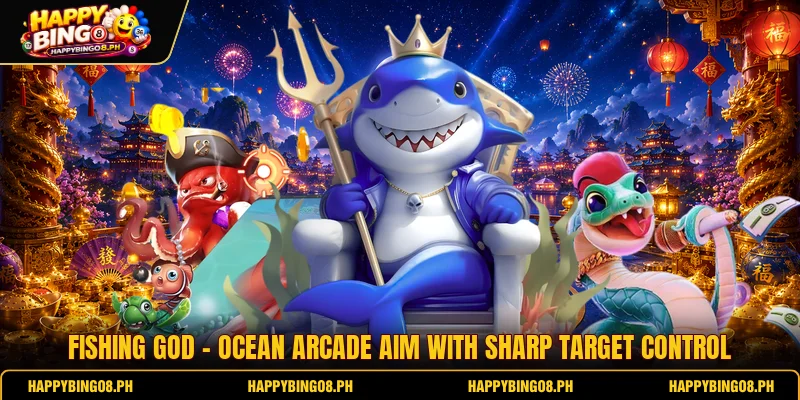
Fishing God builds arcade sea shooting around target timing, cannon choice, plus calm reactions during crowded rounds. This article is written for arcade fish game fans, to help them understand sea battle rhythm, aimed at building steadier control. Read each lane through Happybingo before starting a measured round.
Basic play method in Fishing God
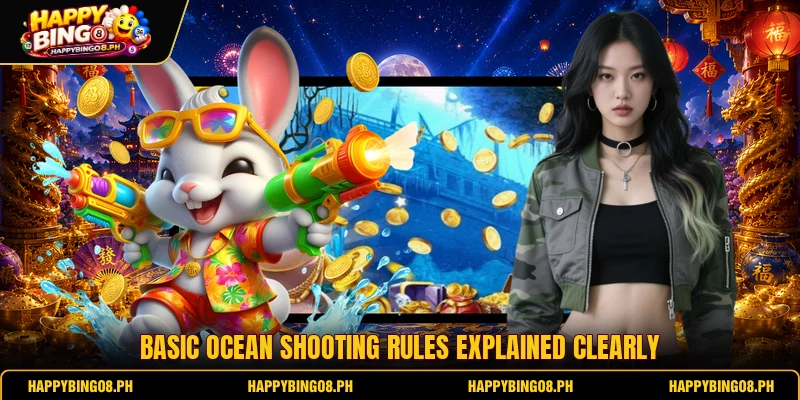
A round starts with a cannon facing moving sea creatures across several lanes. Small targets usually travel faster, while larger ones need more shots before they disappear. Smart play begins by watching movement speed, hit space, bullet cost, plus the value shown near each creature before firing.
Arcade control in Fishing God depends on choosing targets that match the current cannon level. A low-power weapon suits small swimmers near the center because missing costs less. A stronger shot works better when a large creature slows down, crosses a clear lane, or stays within range for several seconds.
Score rhythm becomes easier when each shot has a clear reason. Happybingo table notes often separate early rooms from higher-pressure spaces, so entry choice should match personal focus. A steady player can pause between bursts, compare creature value, then avoid spending too many bullets on targets already leaving the screen.
Explosive item groups in Fishing God
Explosive tools change the pace because crowded lanes can shift within a few seconds. Their value depends on timing, screen density, plus the distance between moving targets.
Wide blast nuclear bomb in Fishing God
The nuclear bomb works best when many creatures overlap inside a broad screen zone. Its blast can cover a circle near 30 percent of the visible field, based on typical arcade item layouts. A clean trigger should wait until medium targets gather near slow swimmers, instead of wasting damage on empty corners.
Blast timing matters because the screen keeps moving after the item appears. A rushed tap may hit only 4 or 5 targets, while a patient release can catch 10 or more in packed lanes. The safest moment usually arrives when large creatures cross behind smaller groups near the center line.
This item suits recovery after a long dry stretch because it can reset crowded pressure quickly. Still, it should not replace normal aim discipline during quiet waves. Players gain better value by saving the blast for stacked lanes, boss escorts, or narrow moments when creature paths overlap tightly.
Chain lightning electric strike
Lightning items reward screen reading because their effect jumps between nearby targets. A usual chain can strike 5 to 8 creatures when spacing stays close enough. The item feels weaker when swimmers scatter across separate lanes, so timing should follow clustered movement rather than the first visible target.
In Fishing God, electric effects suit mixed screens where small creatures surround mid-value targets. The first hit often matters because the chain needs nearby follow-up paths. Choosing a center creature can improve coverage, since the current may jump outward through several lanes before fading.
View more: Fishing War – Fierce Ocean Arcade Battle Guide Today
Chain lightning also helps when fast swimmers make normal aiming unstable. A single shot can punish quick movement without chasing every small target manually. The best use appears when a group passes through the middle third of the screen, where travel distance stays short plus strike links remain active.

Vast ocean freeze
The freeze item slows screen movement, giving more time to judge target value. In many arcade layouts, the stop window lasts around 5 to 7 seconds. That short pause can turn a difficult moving lane into a cleaner shooting field, especially when large creatures were about to leave.
A freeze should support planned shots rather than random firing. During the pause, medium targets near the cannon line become easier to track, while distant creatures may still cost too much. Stronger cannon levels can focus on boss bodies or thick groups that would normally escape before enough hits land.
Freeze control in Fishing God works best when combined with patient target selection. The item creates space, but score growth still depends on bullet discipline. A measured player can mark two or three high-value targets, fire controlled bursts, then stop once the freeze window starts to fade.
Tornado gun sweeping fish groups
The tornado gun pulls attention toward clustered movement because its value rises with density. It can affect a lane strip that covers roughly 6 to 10 targets during busy waves. The item feels strongest when several creatures travel in the same direction, since the sweep keeps them inside the damage path longer.
Good tornado timing starts before the screen becomes too chaotic. A late trigger may scatter attention across too many targets, making follow-up shots messy. Better control comes when the lane already shows a thick group, a slow leader, plus smaller swimmers trailing close behind.
In Fishing God, tornado use should connect with normal cannon rhythm. The item can open a scoring window, but follow-up aim decides whether that window matters. After the sweep begins, focus on creatures held near the center because they offer the clearest hit space during the effect.
Battle room modes in Fishing God
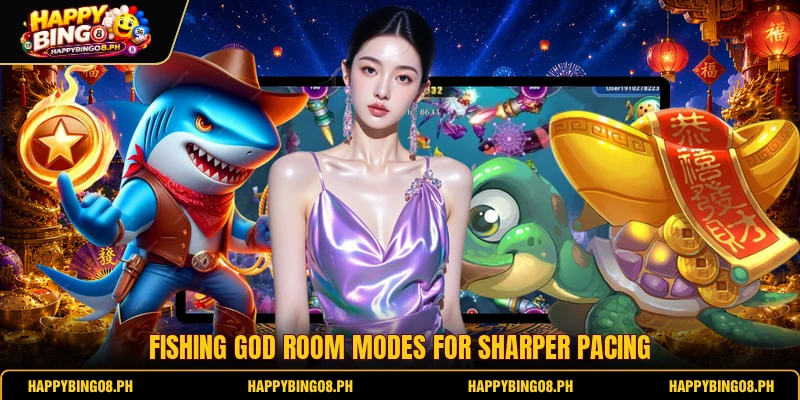
Room selection shapes the pace before the first shot lands. Each mode carries different creature speed, cannon cost, plus pressure level. A suitable room keeps aim decisions readable while still giving enough movement to stay engaging.
- Entry room: This mode suits early rhythm because creature value often stays low, cannon cost remains lighter, plus mistakes hurt the score line less.
- Standard tide: Mid-level rooms usually raise target health, so controlled bursts become more useful than rapid fire across every passing creature.
- Advanced reef: Faster lanes can appear with larger targets, making bullet timing more important when 8 to 12 creatures cross together.
- Boss route: Large creatures may require longer focus windows, so players should track movement paths before committing heavy shots.
- Event wave: Timed screens can compress action into short rounds, with Happybingo listings often marking special periods for clearer room planning.
- Expert tide: Fishing God becomes more demanding here because high-value creatures absorb more hits while small swimmers crowd the sightline.
View more Category: Fishing
Conclusion
Fishing God works best when target reading, item timing, plus room choice stay connected across each round. The game rewards steady judgment more than rushed shooting, especially when explosive tools enter busy lanes. Create an account with Happybingo when ready, then keep each sea battle measured.